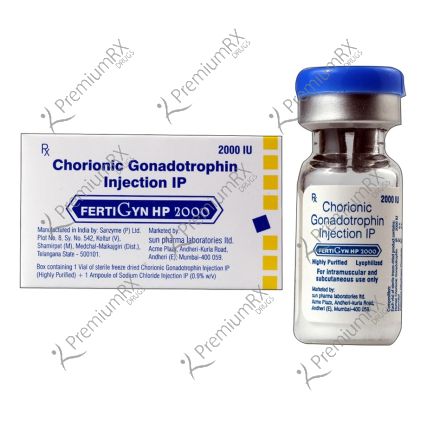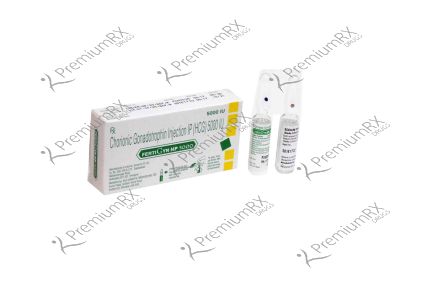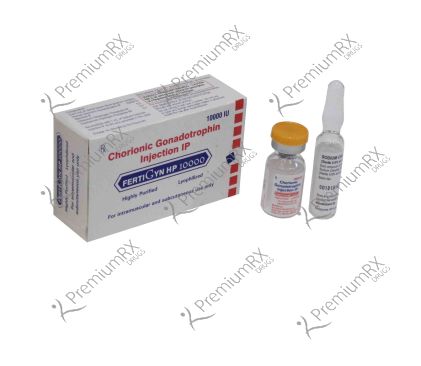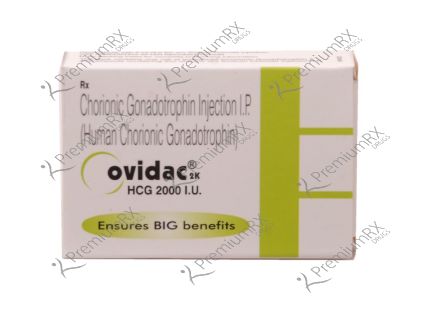
Human Chorionic Gonadotropin (HCG) is a protein hormone secreted by the placenta during pregnancy. It stimulates precursor hormones called follicle-stimulating hormone (FSH) and luteinizing hormone (LH). The increase in the hormones by HCG prevents the negative feedback loop of high hormone levels in pregnant women and allows hormones to go higher than normal. In males and other non-pregnant women, it also elevates hormone levels.
HCG Injections are useful in treating fertility problems in both males and women. It plays different roles in male and female sexual development. In men, HCG Injections are prescribed to increase or restore testosterone production. It directly stimulates the Leydig cells of the testes to produce sperm. In women, it affects ovulation in a way that causes them to ovulate.
HCG injections for fertility
HCG was also taken into consideration for weight loss because several healthcare specialists noted that overweight women lost weight during pregnancy.
Some studies show HCG may encourage weight loss when combined with exercise and a low-calorie diet. In general, following a low-calorie diet with exercise can result in weight loss; hCG has nothing to do with weight loss.
The more frequent HCG shots may be administered after re-evaluation and approval from your health care specialist. HCG Injections are given in much higher doses in people with fertility problems. HCG does not increase fertility if administered in a small dose of 20 units.
HCG for Women — Fertility & Ovulation
HCG plays an important role in fertility treatment for women, particularly those experiencing ovulation-related difficulties. In assisted reproductive techniques and ovulation induction programs, HCG is commonly used to mimic the natural luteinizing hormone (LH) surge that triggers the release of a mature egg from the ovary. When ovarian follicles have reached the appropriate size, an HCG injection is administered to induce ovulation, typically within 24 to 36 hours. This helps doctors accurately time intercourse, intrauterine insemination (IUI), or egg retrieval procedures during in vitro fertilization (IVF).
HCG may also support the luteal phase by promoting progesterone production from the corpus luteum, which helps prepare the uterine lining for implantation and early pregnancy. Fertility specialists often prescribe HCG as part of a comprehensive treatment plan tailored to the patient's reproductive health needs. While HCG can improve the chances of conception in appropriately selected patients, treatment should always be followed as prescribed to ensure proper dosing, monitoring, and safety.
HCG for Men — Testosterone & Sperm Production
HCG is widely used in men to support testosterone production and fertility. HCG acts similarly to luteinizing hormone (LH), stimulating the Leydig cells in the testes to produce natural testosterone. It is commonly prescribed for men with hypogonadism, low testosterone levels, or certain fertility-related conditions. Unlike testosterone replacement therapy, which can suppress sperm production, HCG may help maintain or improve spermatogenesis by preserving normal testicular function. For this reason, it is often used in men who wish to increase testosterone levels while retaining their fertility potential.
HCG may also be prescribed alongside testosterone therapy to help prevent testicular shrinkage and support intratesticular testosterone levels. In male infertility treatment, HCG is sometimes combined with other hormonal therapies to stimulate sperm production and improve reproductive outcomes. Treatment plans are individualized based on hormone levels, fertility goals, and overall health status. Men using HCG should undergo regular medical monitoring to assess hormone levels, treatment effectiveness, and potential adverse effects.
HCG for Weight Management (with FDA disclaimer)
HCG has historically been marketed as a weight-loss aid, often in combination with very low-calorie diets. However, scientific evidence does not support the use of HCG for weight reduction, appetite suppression, or fat redistribution. The weight loss observed in many HCG diet programs is primarily attributed to severe calorie restriction rather than the hormone itself. The FDA and other health authorities have stated that HCG is not approved for weight loss and has not been proven effective for treating obesity. The FDA has also taken action against companies marketing HCG products with unsubstantiated weight-loss claims.
Additionally, very low-calorie diets associated with HCG regimens may increase the risk of nutritional deficiencies, electrolyte imbalances, gallstones, irregular heartbeat, and other health complications. HCG should only be used for FDA-approved medical indications under the supervision of a qualified healthcare provider. Individuals seeking weight management solutions should consult a healthcare professional regarding evidence-based approaches that include balanced nutrition, physical activity, behavioural modifications, and, when appropriate, approved weight management medications.
HCG Dosage Overview (5000 IU vs 10000 IU vs 2000iu)
|
Strength |
Typical Clinical Use |
Common Patient Groups |
Administration Frequency |
|
2,000 IU |
Lower-dose hormonal support, fertility protocols, and maintenance therapy |
Men with hypogonadism, fertility patients, or women undergoing ovulation induction under specialist supervision |
Usually prescribed several times per week or as directed by a physician |
|
5,000 IU |
Standard-dose fertility and hormonal treatment |
Women requiring ovulation triggering and men needing testosterone stimulation or fertility support. |
Often administered as a single injection or according to an individualized treatment plan. |
|
10,000 IU |
High-dose fertility treatment and specific reproductive medicine protocols |
Selected female fertility patients, including those undergoing assisted reproductive techniques such as IVF |
Typically given as a single trigger injection under close medical supervision |
Administration schedules vary significantly depending on the indication, hormone levels, fertility goals, age, body weight, and physician recommendations.
Important: Higher-strength preparations do not necessarily provide better outcomes and may increase the risk of adverse effects if used improperly. Regular monitoring of hormone levels, ovarian response, or testicular function is usually required during treatment to ensure safety and effectiveness.
Why is beta hCG testing done?
Beta HCG test is done to:
When is HCG called slow rising?
Following are the conditions when the HCG level rises slower than expected:
How can HCG levels be increased?
Some drugs are available to help increase HCG levels. Those who are undergoing fertility treatment may be prescribed HCG medications. If you want to take HCG Injections to restore your testosterone levels, then buy HCG injections to experience better changes. Talk to your doctor about the best medicines and alternatives to increase HCG levels.
Precautions
A few of the very important things that you need to keep in mind before taking Hcg injections are stated below:
It is necessary to inform your physician about:
Side Effects of HCG Injections
In addition to benefits, some unwanted effects may occur with HCG. If any of such side effects trouble you, immediately talk to your physician. Some of the side effects of HCG are as follows:
Where to Buy HCG Injections?
Buy HCG online from premiumrxdrugs at a more reasonable rate than any other local or online pharmacy store. HCG Online is available in the form of injections to be administered intravenously.
Some best-selling HCG injections are as follows:
Visit your doctor and get the prescription to buy HCG online or offline that suits you the best.
HCG (Human Chorionic Gonadotropin) is a protein hormone used in fertility treatments for both men and women. It helps increase testosterone and sperm production in men and triggers ovulation in women.
HCG mimics luteinizing hormone (LH), helping trigger ovulation in women and stimulating testosterone production in men by directly activating the Leydig cells in the testes.
Yes. HCG is widely used to induce ovulation in women and improve sperm production in men. In assisted reproductive techniques, it is used to trigger egg release and support the luteal phase of the cycle.
HCG injections are prescribed to support fertility treatment in women, stimulate ovulation, and help men increase testosterone production and sperm development. They are also used in men with hypogonadism and low testosterone levels.
HCG mimics luteinizing hormone (LH), stimulating the testes to produce natural testosterone and support sperm production. Unlike testosterone replacement therapy, HCG helps preserve fertility potential in men.
HCG is often prescribed alongside testosterone-related treatment plans to help maintain natural testosterone production and testicular function. It may also help prevent testicular shrinkage during testosterone therapy.
HCG is available in three main strengths: 2,000 IU (lower-dose hormonal support and maintenance), 5,000 IU (standard-dose fertility and testosterone treatment), and 10,000 IU (high-dose fertility protocols including IVF). The appropriate dosage is determined by your physician.
HCG is typically given as an injection under the skin (subcutaneous) or into a muscle (intramuscular). Always follow the administration instructions provided by your physician, especially if self-injecting at home.
Common side effects may include headache, fatigue, irritability, injection-site discomfort, swelling, restlessness, and depression. Serious side effects include blood clots, ovarian hyperstimulation syndrome (in women), and allergic reactions. Contact your healthcare provider immediately if severe symptoms occur.
No. HCG is not approved for weight loss and such use is considered unsafe. The FDA has stated that HCG is not effective for treating obesity or suppressing appetite. Any weight loss seen in HCG diet programs is attributed to severe calorie restriction, not the hormone itself.
HCG can be purchased online from reputable pharmacies but usually requires a valid prescription in the USA. Always consult a healthcare provider before purchasing or using HCG injections.
Yes. HCG is a prescription-only medication. It is important to consult a qualified healthcare provider and obtain a valid prescription before purchasing or using HCG injections online.
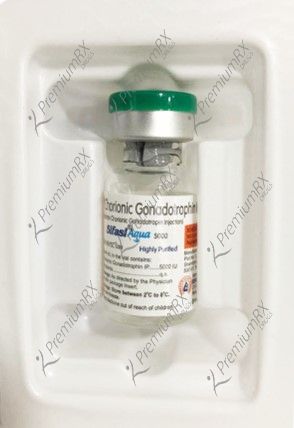
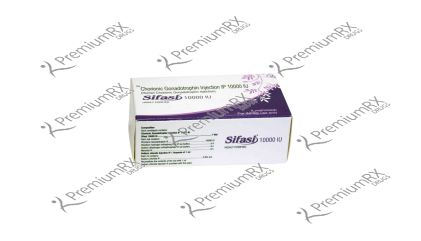
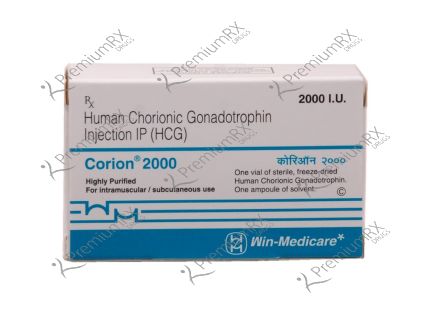
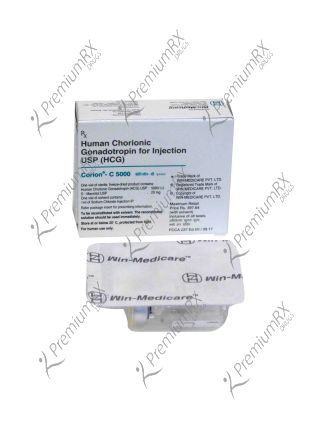
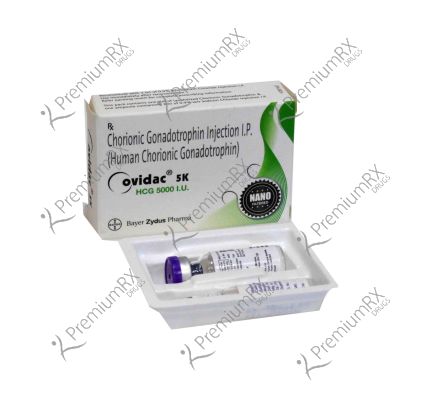
Popular HCG brands available at PremiumRxDrugs include Sifasi (2000 IU, 5000 IU, 10000 IU), Corion (2000 IU, 5000 IU), Ovidac (2000 IU, 5000 IU), Fertigyn HP (2000 IU, 5000 IU, 10000 IU), ZyhCG HP 5000 IU, Lupi HCG 5000 IU, and Puretrig 5000 IU.
Avoid self-injecting if unsure about the method. Watch for symptoms of ovarian hyperstimulation syndrome (in women) such as severe pelvic pain, nausea, or shortness of breath. Inform your doctor about all current medications, health conditions, and known allergies. Avoid HCG during pregnancy as it may cause fetal abnormalities.
Doctors prescribe HCG for men in the following conditions:
HCG (Human Chorionic Gonadotropin) acts like Luteinizing Hormone (LH) in men. It directly stimulates the Leydig cells in the testes to:
HCG 10,000 IU is a high-strength injection typically prescribed for:
You can buy HCG 5000 IU from a licensed and reputable online pharmacy that requires a valid prescription or medical consultation where required by local regulations. Before purchasing, verify the pharmacy's credentials, customer reviews, secure payment options, and product authenticity. HCG 5000 IU is commonly prescribed to treat male hypogonadism, infertility, and certain fertility-related conditions in women.
HCG 2000 IU is available through licensed online pharmacies that dispense prescription medications. Choose a pharmacy that offers genuine products from trusted manufacturers, secure ordering, discreet packaging, and responsive customer support. Always use HCG under the guidance of a qualified healthcare provider.
The best place to buy HCG online is a trusted, licensed online pharmacy that:
Avoid websites that sell prescription medications without proper medical review or verification.
You can safely buy HCG online from a licensed pharmacy that follows applicable healthcare regulations and verifies prescriptions when necessary. Look for pharmacies with secure checkout, privacy protection, authentic medications, and positive customer feedback. Purchasing from reputable sources helps reduce the risk of counterfeit or substandard products.
Men can buy HCG through licensed online pharmacies after receiving a prescription or medical approval, where required. HCG is commonly prescribed to help stimulate natural testosterone production, support fertility, and maintain testicular function in certain men. A healthcare provider can determine whether HCG therapy is appropriate based on your medical history, symptoms, and treatment goals.